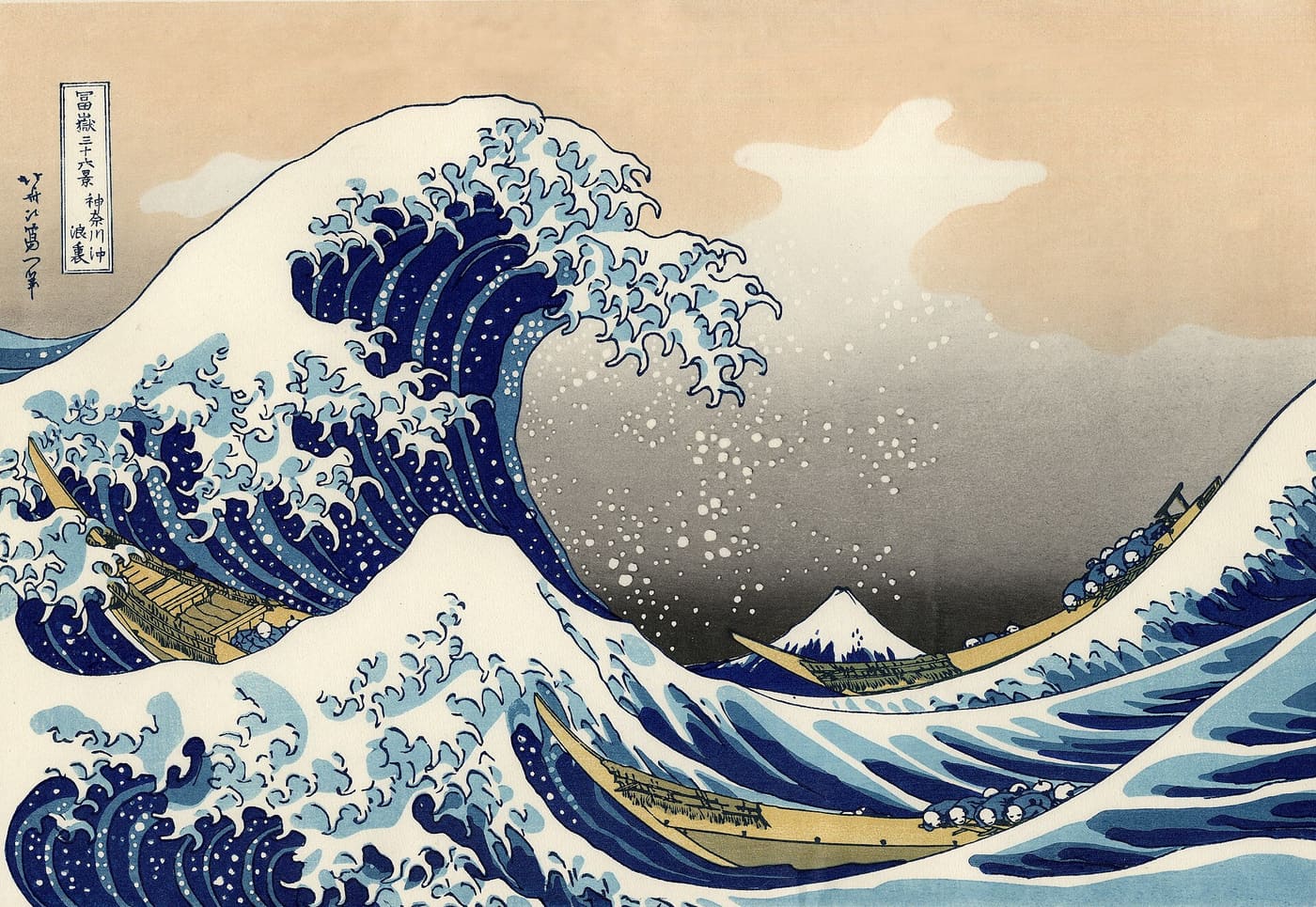
The Great Wave is not a painting. It is a print run — four trades, a dozen blocks, and a registration system made of two notches in the wood. Everything this series has said about presses, Edo said first with cherry planks.
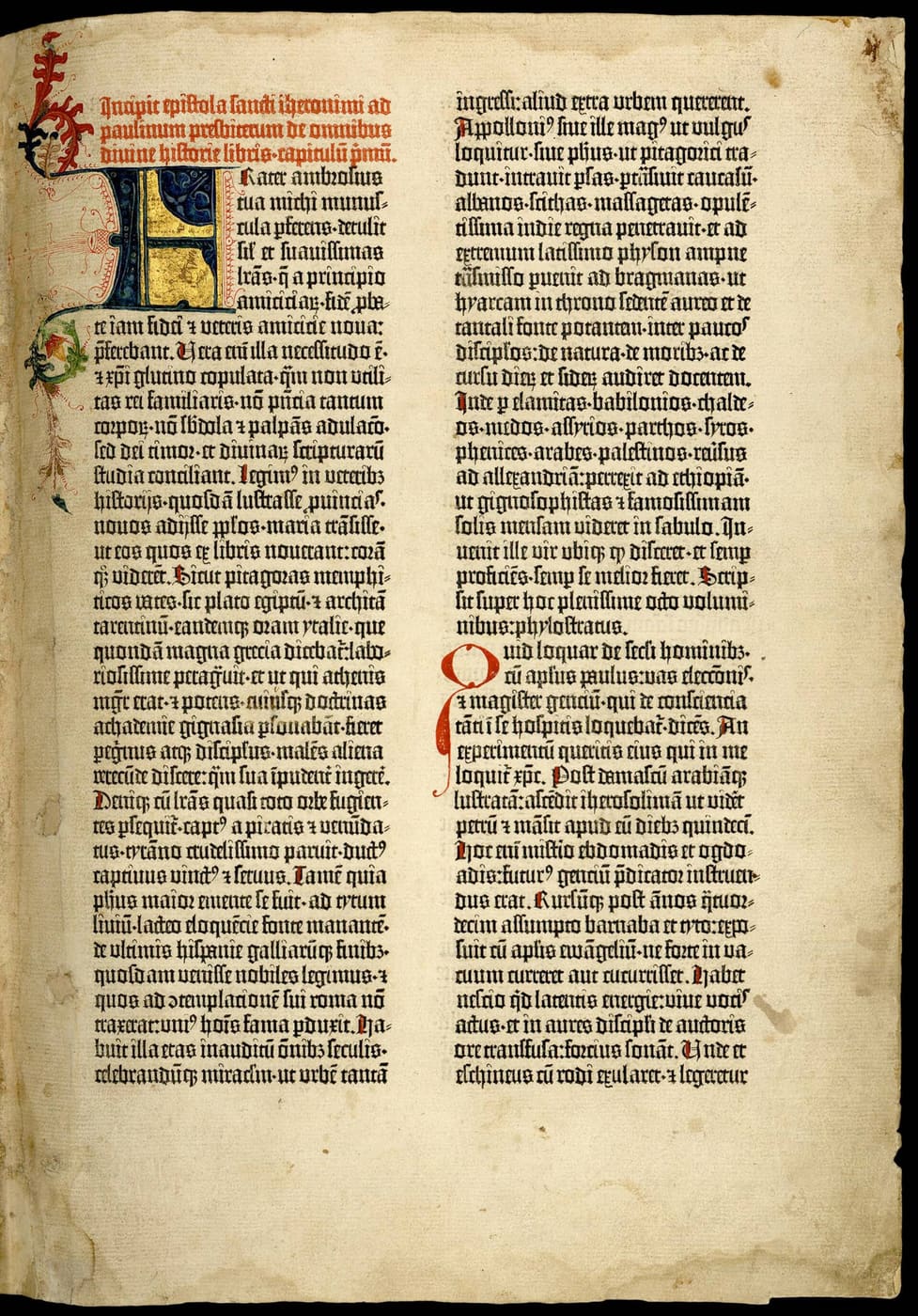
Þorn og eð stóðu einu sinni í ensku líka. Íslenskan hélt þeim, og prentsmiðjurnar borguðu fyrir það í heila öld — með stöfum sem þurfti að steypa sérstaklega og týndust jafnóðum úr kassanum.
Two paper systems, one of them measuring a quantity that changes depending on what the paper is for. Here is the conversion table, and the honest reason it can never be exact for every sheet on it.
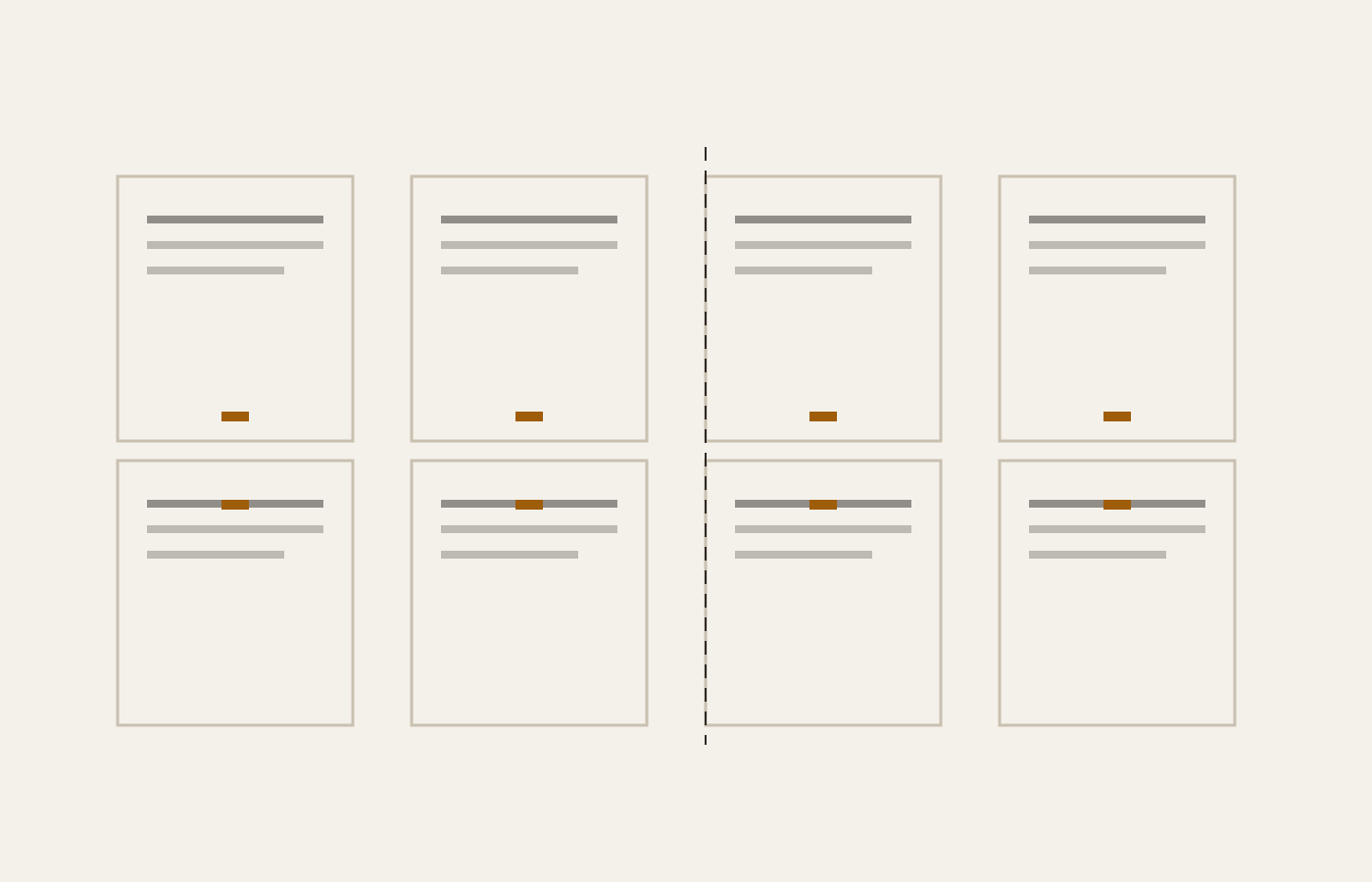
Fold a sheet three times and the page order stops being obvious — page one ends up beside page eight, upside down. Printers solved this before 1500, and every book you own is still assembled by their answer.
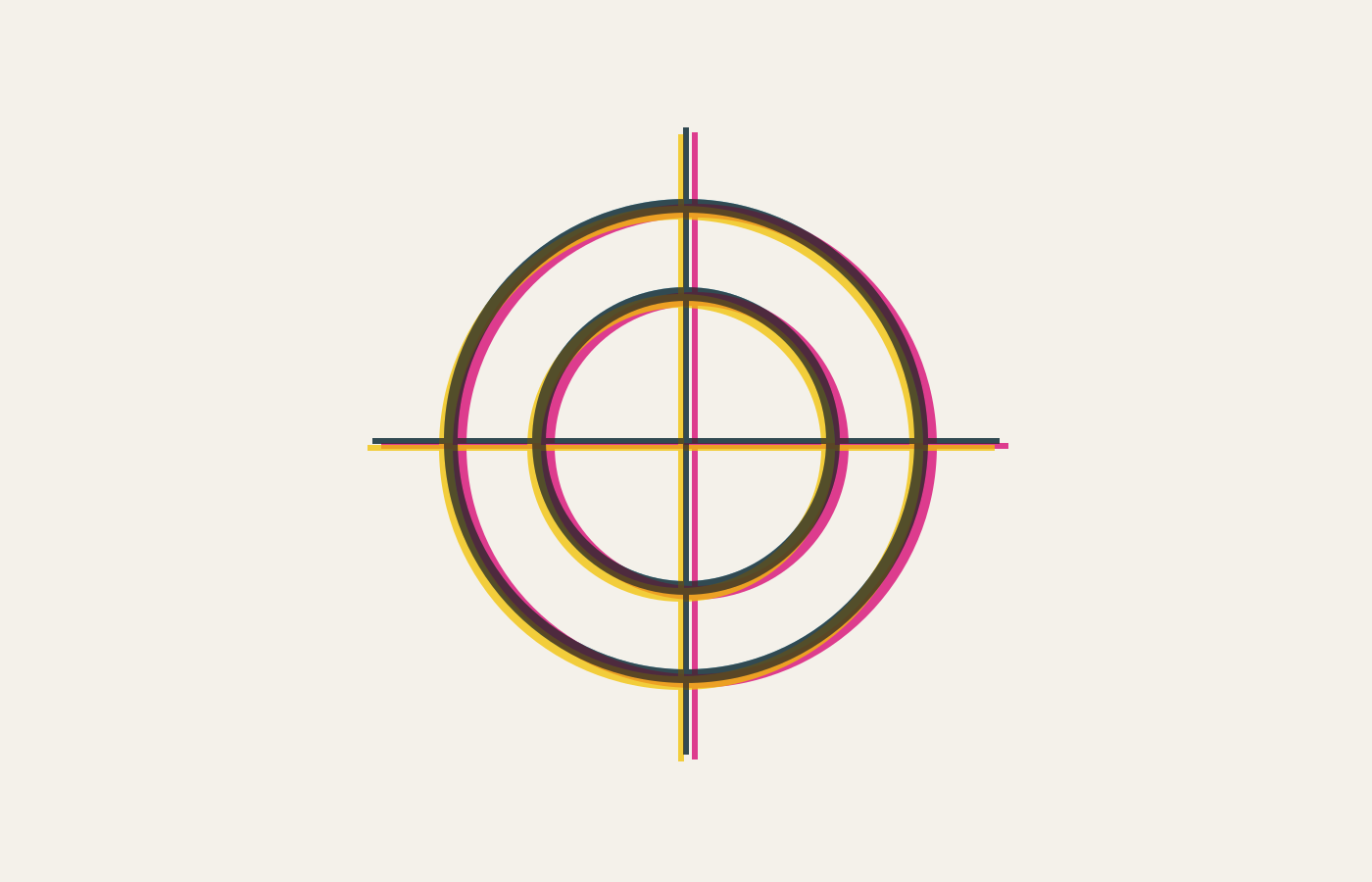
Two adjacent colours will not line up perfectly, not on any press ever built. Trapping is deciding in advance which one loses, and rich black is the same decision made about the darkest thing on the page.
Three words for nearly the same thing, and the small differences that still matter at the bindery. One of them gave this software its name, which seemed worth explaining.
Four inks, four passes, and one of them a hair out of place. Everything you know about print colour — trapping, rich black, the fear of hairline type in three colours — follows from that single millimetre.
A palette is two decisions: what the ink is, and what it sits on. Everything else is adjustment, which is why one hex value can read warm on a cream page and dirty on a white one.