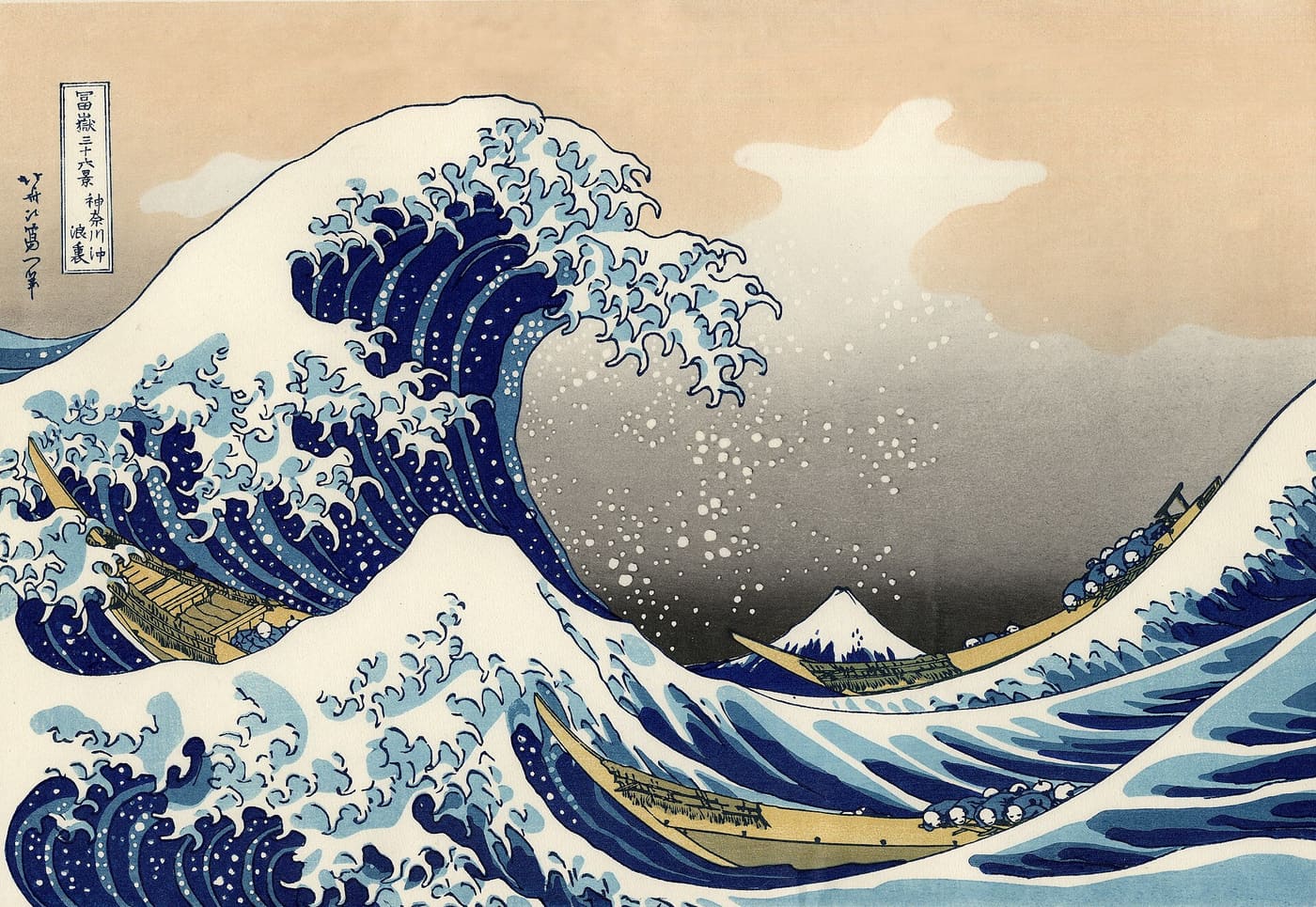
The Great Wave is not a painting. It is a print run — four trades, a dozen blocks, and a registration system made of two notches in the wood. Everything this series has said about presses, Edo said first with cherry planks.
Þorn og eð stóðu einu sinni í ensku líka. Íslenskan hélt þeim, og prentsmiðjurnar borguðu fyrir það í heila öld — með stöfum sem þurfti að steypa sérstaklega og týndust jafnóðum úr kassanum.
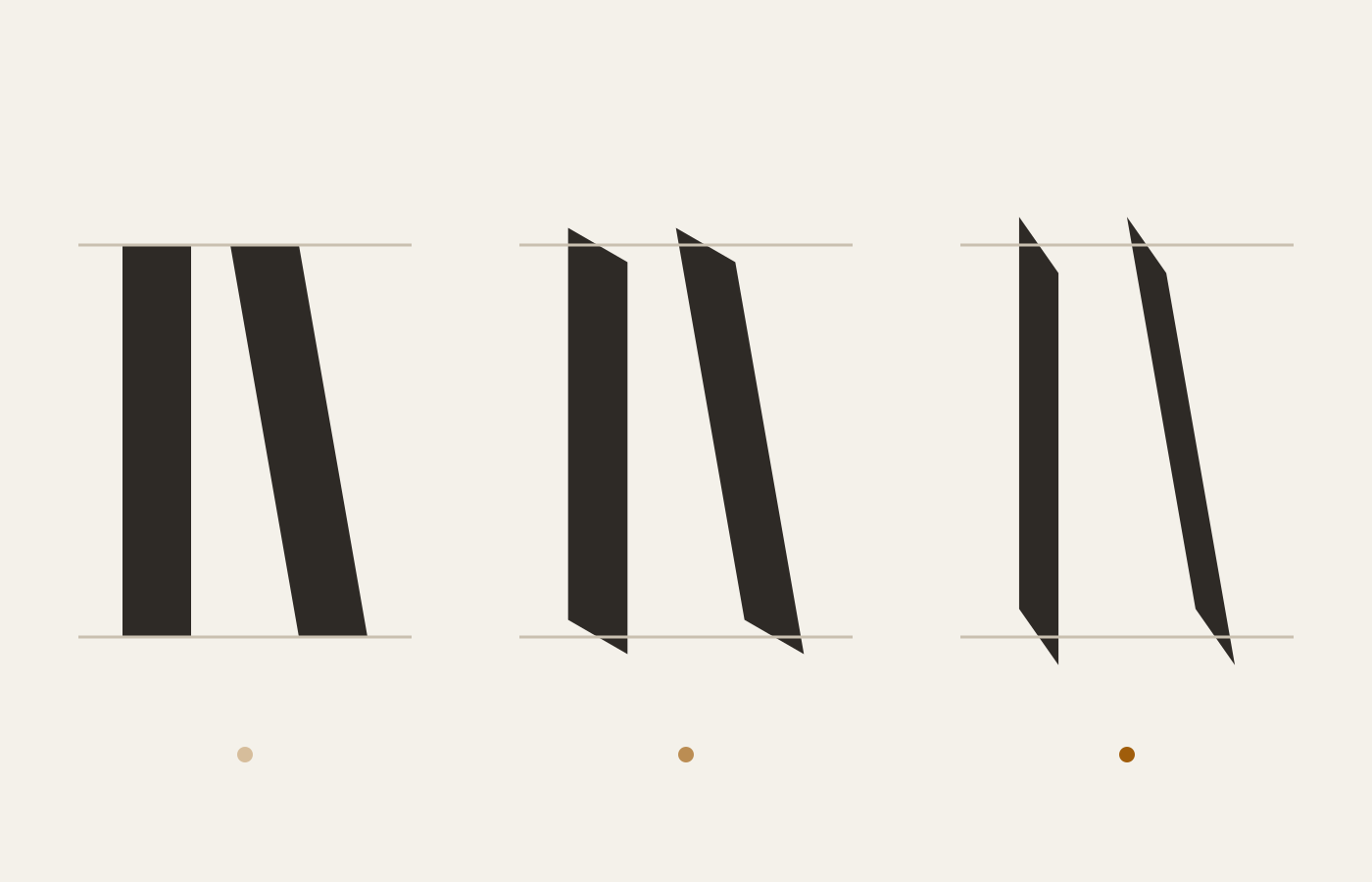
Nearly every serif on your screen is a frozen record of a flat nib held at an angle. Hold a pen at thirty degrees, write an O, and the thick and thin you get is the same modulation a type designer spends a year redrawing.
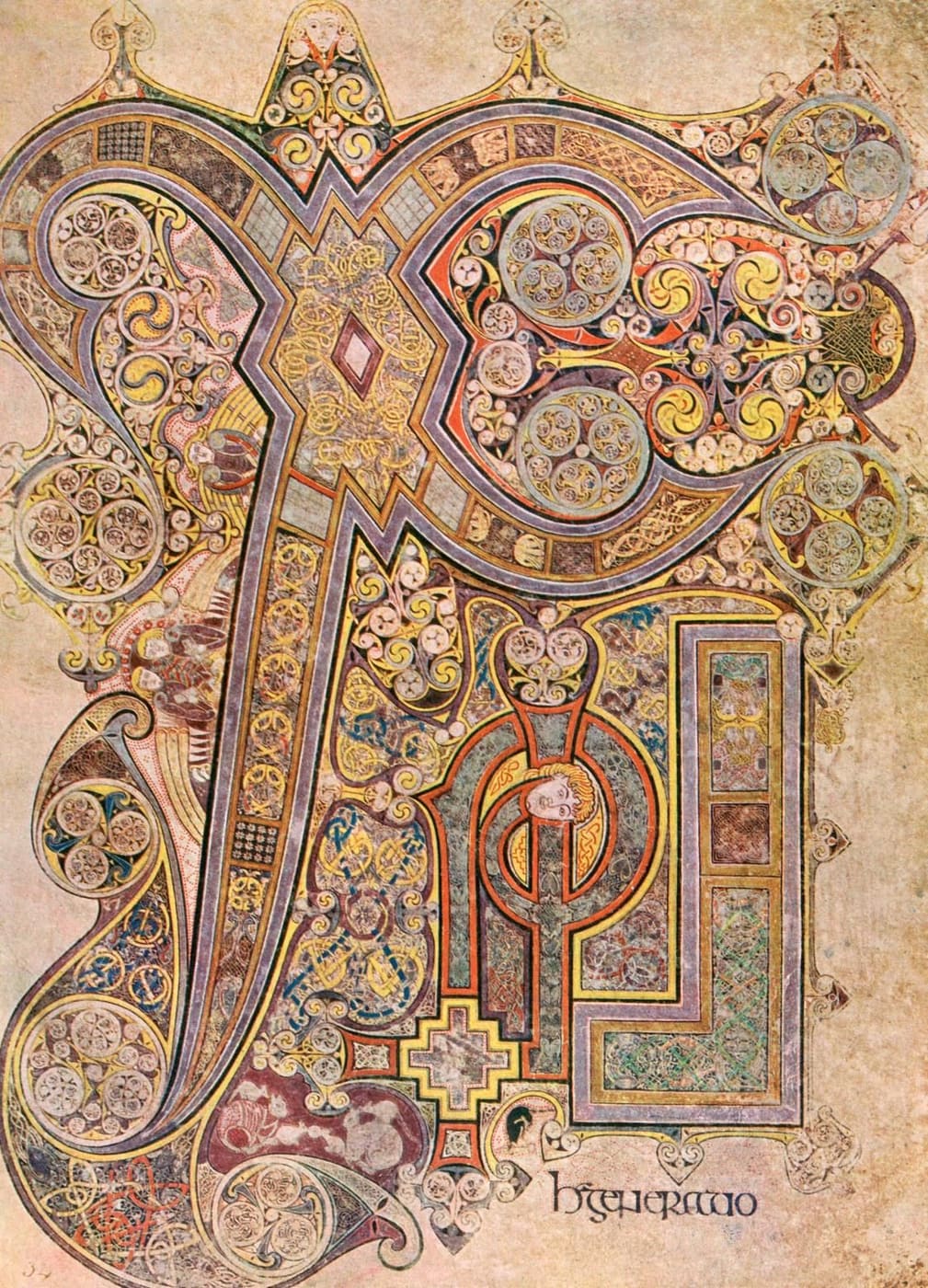
The roundest letters in the Latin tradition were written by scribes who had all the time in the world and no lower case to write with. What they left is a hand with almost no ascenders and a rhythm nothing since has matched.
The Renaissance hand that became our italic, reduced to four shapes and one angle. Ninety minutes gets you a legible page; the remaining decade is spent making it look easy.
Three words for nearly the same thing, and the small differences that still matter at the bindery. One of them gave this software its name, which seemed worth explaining.